Think about the last time you hired a plumber.
Before they even showed up, you were expecting something to go wrong. A leak they’d miss, a bill that would come in higher than quoted, a mess you’d clean up after they left.
That’s the default when you hire someone to work on your building, and nobody really questions it.
I’ve always thought "boring" climate companies have the biggest advantage when it comes to building thought leadership. Lately, I’ve been obsessed with one kind in particular: energy service companies in the EU, or ESCOs.
On paper, they’re about as unsexy as climate gets. They swap lights, insulate walls, and replace boilers. They also write like it. It’s technical and dry, and it’s aimed at other engineers.
But I think the stuff they could write is actually interesting to read. The question is who it’s interesting for.
So I picked three types of retrofit businesses, each working on a different part of the same building: the light, the shell, and the air inside.
Here’s why I find each of them fascinating.
1. Lighting as a service: everyone has stood under bad light
Lighting in buildings and outdoor spaces used about 8% of the world’s electricity in 2024, around 2,200 terawatt hours.
And we’ve already made progress on it. LEDs cut the electricity used for home lighting by nearly 30% between 2010 and 2022.
Lighting as a service is the next step. A company like LumenStream replaces a building’s entire lighting system and keeps ownership of it. The building owner pays nothing upfront. The company gets paid out of the energy savings, over years.
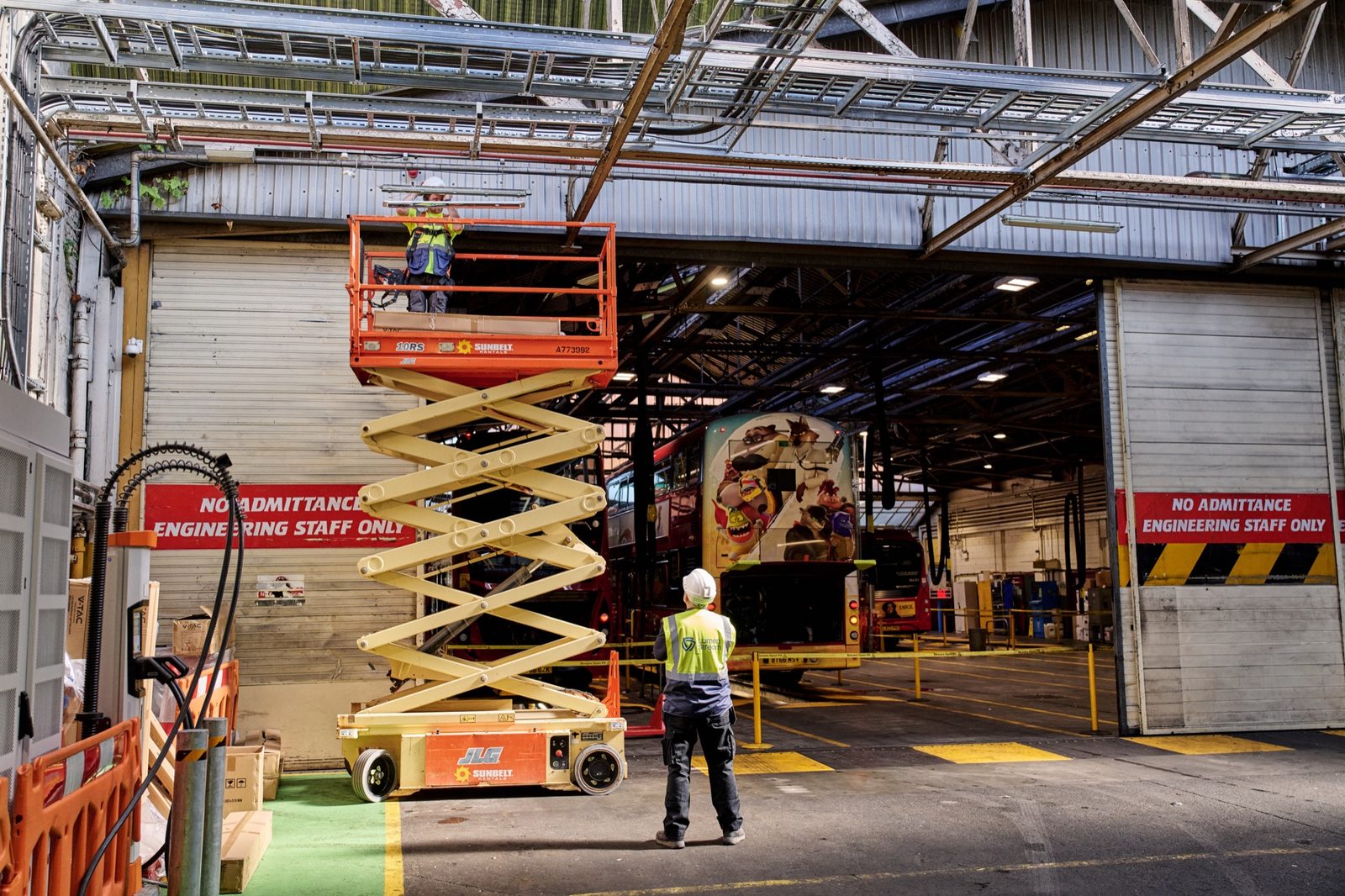
On paper, that’s a pitch to a facilities manager about kilowatt hours.
But the facilities manager has also sat in a classroom where the fluorescent tubes buzzed all afternoon. They’ve walked past supermarket vegetables that looked grey under the lights, and they’ve squinted at a label in a warehouse aisle. Everyone has stood under bad light and felt worse without knowing why.
That’s the part worth writing about.
So why isn’t everyone doing this already?
Because a lot of companies think they’re sorted. There was a big LED push about ten years ago, and plenty of buildings switched over.
Those LEDs are now outdated. They’ve dimmed a little every year, so slowly that nobody noticed. There was never a moment where the lights went off, so nobody complained. The building is simply darker than it should be and less efficient than it could be.
It’s a climate problem hiding inside a problem we think we’ve already solved.
2. Insulation retrofits: nobody should wear a jumper next to a radiator on full
Around 40% of the energy used in the EU goes into buildings. In 2023, buildings were responsible for a third of the EU’s energy-related emissions.
And almost 75% of existing buildings are energy inefficient.
Many of them were built in the seventies and eighties, when nobody thought much about heat escaping through walls and windows. So a lot of the heating Europe pays for goes straight outside.
The fix isn’t glamorous. Insulate the outside walls, replace the windows, and often connect the building to district heating.
In Torrelago, in Spain, they did this for a whole neighbourhood at once: 31 residential buildings, nearly 1,500 homes, and about 4,000 residents.
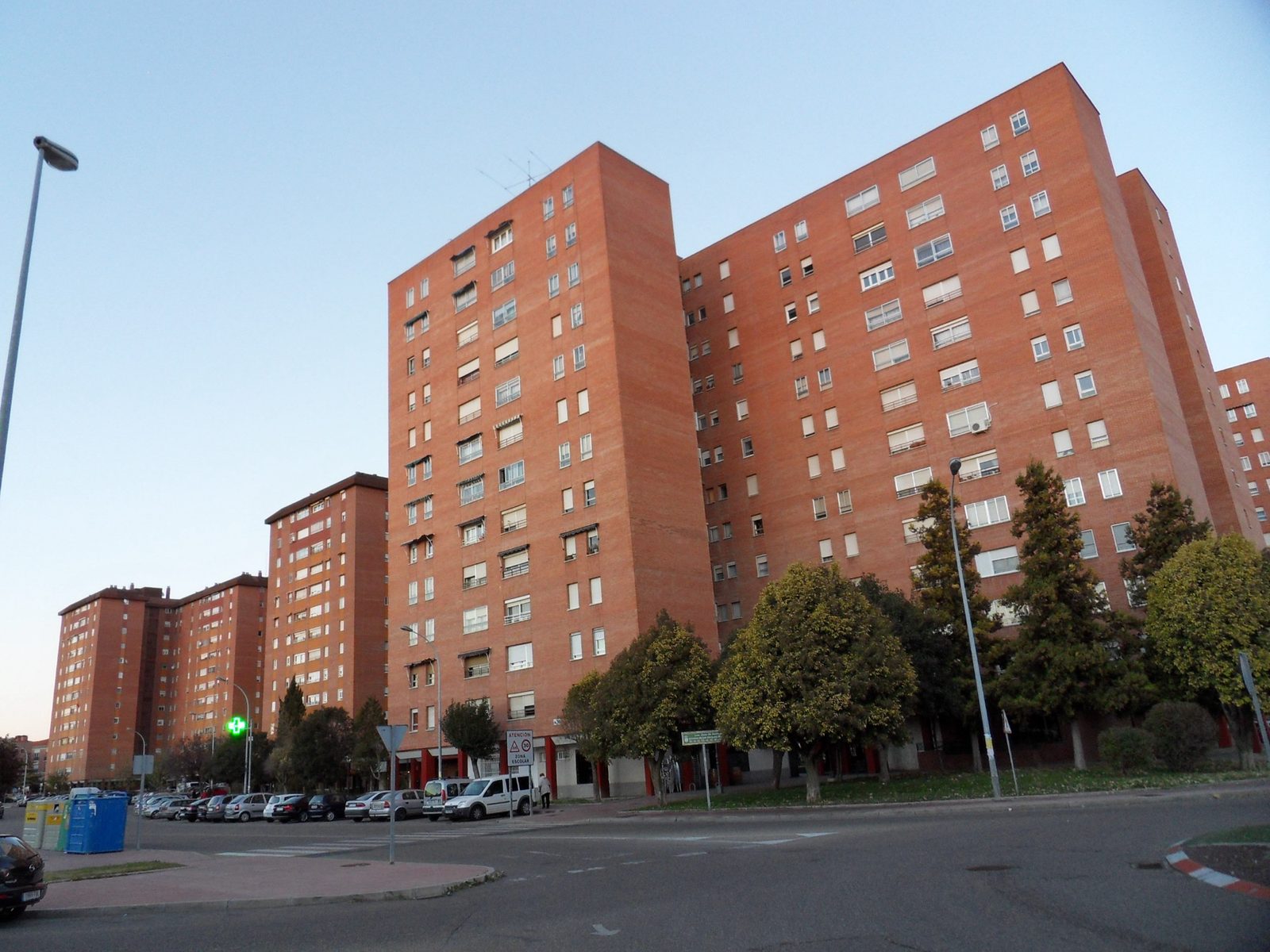
Veolia ran it as the ESCO, so the payback came out of the energy the buildings stopped wasting.
For a housing association or a municipality, that’s a line item. For the people living there, it’s the end of the damp corner behind the wardrobe, and of wearing a jumper next to a radiator on full.
That’s the story a housing association would actually read.
So why is Europe renovating only 1% of its buildings a year?
Part of the answer is disruption. Scaffolding goes up for months while people keep living inside.
Part of it, I think, is the material.
Most insulation is still glass wool or rock wool. Installers need a lot of protective gear to handle it, and it’s famously itchy. Some of them comment under posts about it, and they don’t hold back.
One of the companies I work with makes insulation from recycled denim. It’s soft to the touch, and it handles thermal and acoustic insulation in a single layer instead of two.
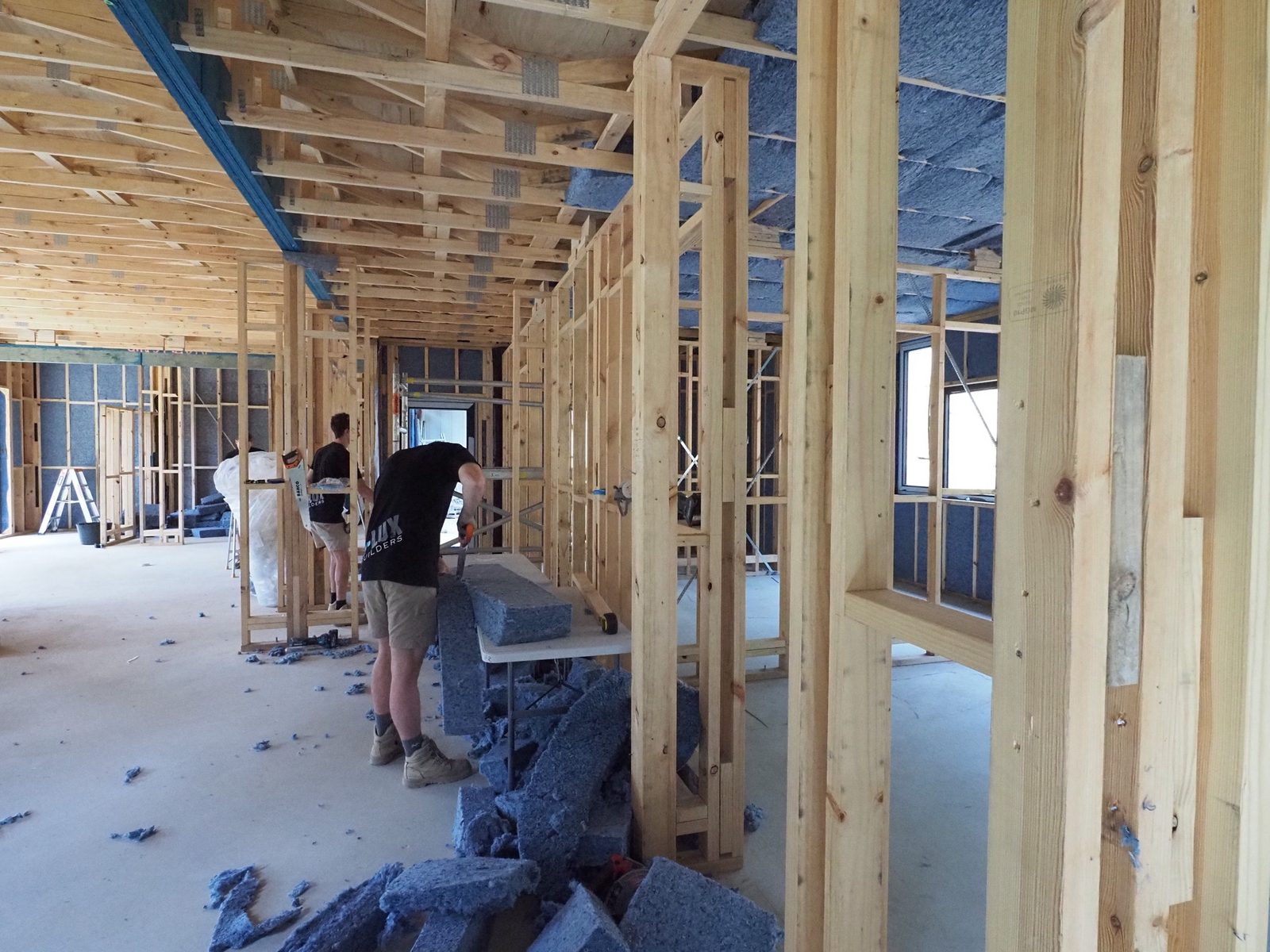
But they sell the product, not the service. I’d love to see materials like that come with a service model attached. I think it would speed things up.
3. Heating and cooling: every office has fought over the thermostat
Heating is where most of a building’s energy goes. Over 60% of the energy EU households use goes into space heating, and almost half of it still comes from gas and oil.
Switching that heat to electricity is one of the biggest climate levers in the whole building sector.
Amper Savings, in Czechia, does this for public buildings. They fund the project, replace old heating systems with efficient ones, and get paid back out of the savings. Contracts run five to seven years for a single technology, and around ten for a full retrofit.
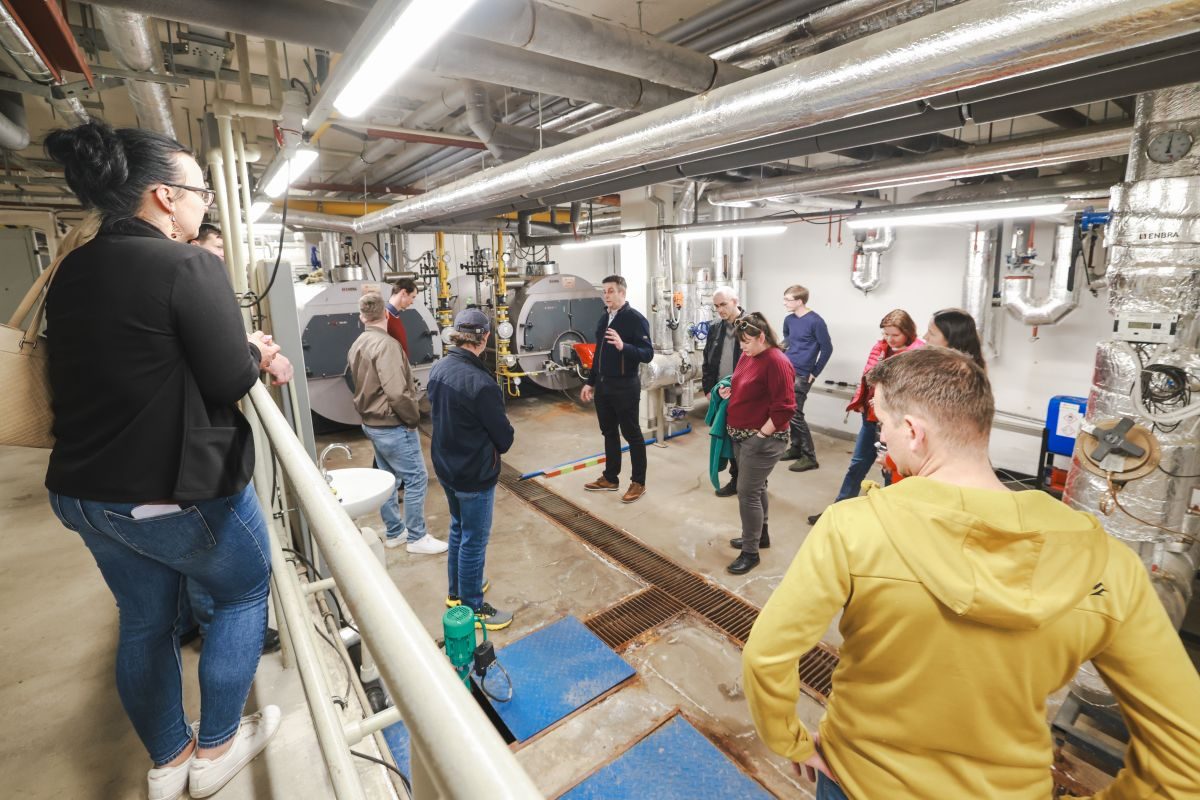
Every office has had this fight. Half the floor sits in cardigans while the other half has a desk fan on in February. Someone keeps turning the thermostat up, and someone else keeps turning it down.
The facilities manager buying a heat pump has been on both sides of that fight.
Start there, not with the coefficient of performance.
So why isn’t everyone switching?
Heat pumps have a reputation problem. Plenty of people still believe they don’t work in cold buildings or cold winters.
This is where the ESCO model does something no brochure can. An ESCO gets paid out of the savings, not for the installation. If the heat pump underperforms, the savings disappear, and the company loses money.
So when a company bets its own revenue on a heat pump getting through a Czech winter, that bet is the proof.
The plumber problem
Remember the plumber?
Every time you hire someone to work on your building, you brace for something to go wrong. That’s the default.
These three businesses work on the light, the shell, and the air inside the same building. They tell three very different stories. Underneath, they share one model: they only get paid when the job goes right.
That’s what makes them interesting. Their buyers are people first. They’ve sat under bad light, shivered next to a radiator, and fought over a thermostat.
ESCOs just have to write for them.
P.S. I’m doing all this research ahead of the ESCO symposium in Madrid in October. If you’re going too, send me a message, would love to connect.
Whenever you’re ready, there are 3 ways I can help:
1/ Climate Tech Post Vault → these are my 55 most reused LinkedIn post templates that generated 13,321 reactions, 2,187 comments, 999,365 impressions across all of my work.
2/ Book a free visibility audit → I research your digital footprint, show you where you’re invisible, and sketch a 2-year roadmap to fix it: LinkedIn foundation first, then niche media, then long-form, then the outline of a book.
3/ In-House Ghostwriting OS → An all-in-one system for solo marketers and small marketing teams in climate tech companies to create, launch, and grow a system for building their CEO’s personal brand.